Bio Weekly Response 8

This week was about the cell membrane. The structure of the cell membrane is a fluid mosaic model composed of a phospholipid bilayer. It is a boundary to the cell, transports materials in and out of the cell, and communicates between the cell and it’s environment.

The phospholipids have a hydrophilic head and a hydrophobic tail which allows them to organize into a bilayer automatically when submerged in water. They are fluid and are constantly moving. The bilayer makes a selectively permeable membrane that only allows small, non-polar molecules through directly.

Other molecules can enter into the cell but require help from tranfer proteins which ask as gates or bridges through the cell membrane. Integral proteins go all the way through the cell membrane while peripheral proteins only penetrate one layer. Integral proteins have many functions including transport, enzymatic activity, signal transduction, cell to cell recognition, intercellular joining, attachment to the cytoskeleton and extra cellular matrix.

Related image

Cholesterol acts as a temperature buffer to maintain the buffer of the cell wall. It is a steroid lipid that helps keep the membrane fluid.

We also talked about transport, including active transport and passive transport. Passive transport is diffusion where items of a high concentration spread out to a  low concentration because of the law of increasing entropy. This type of transport takes no energy to happen. Active transport, on the other hand, does require energy because it requires items to go from a low to high concentration. Ex. waterfall. Both types of transport sometimes require transport proteins in order for molecules to get through the cell wall.

Bio Weekly Response 7

This week we learned about Carbon and it’s role in biology. Carbon is abundant, versatile and tetravalent, meaning it can bond with 4 other atoms at once.

Isomers are molecules with the same molecular function but a different structure which means a different function because STRUCTURE DETERMINES FUNCTION. Isomers can be structural, cis/trans, or enantiomers.

There are 7 different functional groups.Image result for 7 functional groups

We also learned about macromolecules, which accomplish all of life’s functions. There are four kinds of macromolecules: carbohydrates, lipids, proteins and nucleic acids. Macromolecules are made of monomers and polymers (repeating monomers).

Carbohydrates are sugars and starches, are made of CHO and are used for short term energy storage and structure. Monosaccharides: glucose, galactose, fructose. Disaccharides: maltose, sucrose, lactose. Polysaccharides: starch, glycogen.

Lips are fats, oils and waxes. They are made of CHO and are used for long term storage and insulation. Triglycerides (1 glycerol and 3 fatty acids) are connected by dehydration synthesis. Saturated means there are no double bonds and unsaturated means there are double bonds which allow for more flexibility.

Proteins are made up of CHONS and are used to accomplish all life functions. Proteins are amino acids connected by peptide bonds to form peptide chains. Proteins have a primary, secondary, tertiary and sometimes quatrinary structure which allows for very complex molecules. There are storage, structural, hormonal, defensive, transport, contretile, and motor, receptor, enymatic proteins to be responsible for all functions of life.


Bio Weekly Response 6

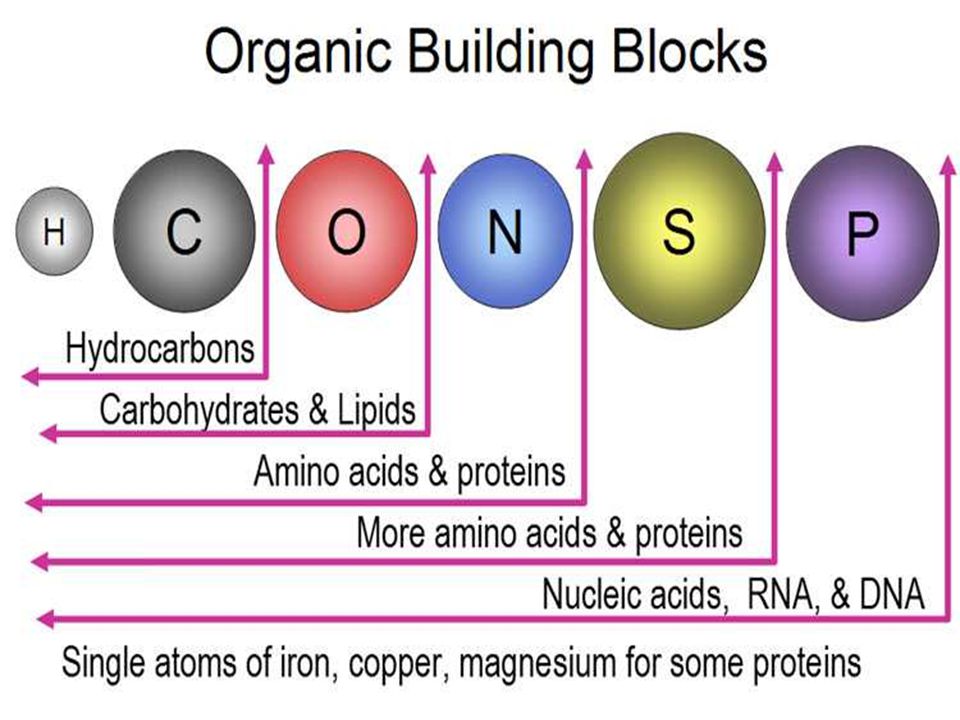
This week we started the BioChemistry unit. We started by defining atoms as the smallest fundamental unit of matter. They are the smallest unit that can show the properties of elements because protons, neutrons and electrons can’t. There are about 120 differnt kind of atoms which make up the elements on the periodic table. Bio uses Carbon, Hydrogen, Oxygen. Nitrogen, Phosphorus and sulfur the most (CHONPS).

Image result for chonps

Atoms bond by electrons interacting. There are two types of bonds, ionic and covalent. Ionic bonds feature the transfer of electrons where one atom gives its spare electrons to another atom. These bonds exist between metals and nonmentals. Covalent bonds exsist between nonmetals and are the sharing of electrons. Bonds determine the shape of the molecule which determines function as well.

For example, covalent bonds cause polarity in which one side of the molecule has a positive charge and the other side has a negative charge. This happens in water molecules and it is what gives water unique features such as cohesion and adhesion.Image result for water polarity

All chemical reactions involve the breaking and creation of bonds while conserving mass, energy and charge. Emergence is when increasing levels of complexity can display new properties that weren’t evident in simpler molecules.

To go back to water, water’s abundance and unique functions are what allowed humans and all other life forms to evolve. Without water and the oceans, life never would have emerged, or at least not as successfully as it did. In normal temperature conditions, water exists in all three phases. Water is needed for life because we have a solution based chemistry. Water is also able to stick to other water molecules (cohesion) and other things (adhesion). It w=has a very high surface tension and a high specific heat.

Acids and bases are measured on the pH table. Acids have more H30+ than OH- and bases have more OH- than H30+. The levels of acidity tell the place of the substance on the pH table.

Bio Weekly Response 5

This week we focused on learning about Speciation. Speciation is basically how populations evolve into separate species, otherwise called reproductive isolation.  First we have to define a species. The classic definition is a population (or group of populations) whose members can interbreed and produce, viable, fertile offspring. But how would you be able to tell this from looking at fossil records? Species can also be determined by appearance (Morphological), niche/role in their environment (Ecological) or fossils (Paleological).

Speciation, as I mentioned before, is the reproductive isolation of populations. What can isolate a population? There are two main ways that populations can be isolated. The first, and most common, is Allopatric Speciation, meaning “other country.” Allopatric Speciation happens when populations are geographically separated and evolve separately so that if they are ever reintroduced, they would not be able to mate. Sympatric Speciation is more rare and happens when populations are in the same area but still evolve in a way that a portion of the population cannot breed with the rest of the population.

Image result for allopatric vs sympatricImage result for allopatric vs sympatric

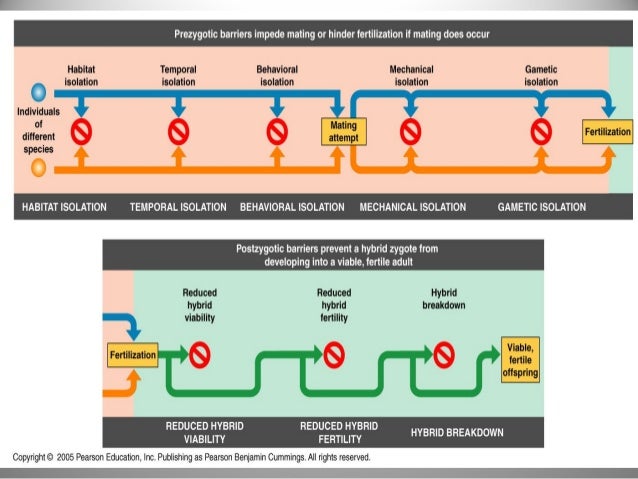
We also learned about species barriers, mechanisms that prevent successful interspecies reproduction. Prezygotic barriers are ones that happen prior to fertilization. They can be things that prevent the organisms from even mating (habitat isolation, temporal isolation and behavioral isolation), or they could be after mating attempt but pre-fertilization (mechanical isolation, gametic isolation). Postzygotic barriers happen after fertilization. This includes reduced hybrid viability, reduced hybrid fertility and hybrid breakdown.

Image result for prezygotic vs postzygotic barriers


Bio Weekly Response 4

This week we focused on population and variance. Population is a localized community of animals of the same species that breed with each other. Populations evolve through natural selection as the fittest individuals are selected to survive and reproduce and pass on their genes to their offspring. The genetic makeup of the population will change over time as favorable traits are passed down and increase in frequency.

In order for this to work, you need to have variance in the population. Variance is the raw material for natural selection. If the population was completely uniform then there would be no way of it to evolve because all individuals would be equally fit for the environment. Because of variety within the population, certain individuals will have a greater reproductive success.

Where does variance come from? It comes from mutations and sex. Mutations happen randomly and are changes of DNA in certain individuals. Some mutations can increase an individuals likeliness to survive, while other mutations can have the opposite effect and are not usually passed down. Sex is the recombination of genes. Each offspring will have a different genetic code than either parent so it is a way to mix the genes and have new arrangements of DNA every generation.

Changes in allele frequency are also caused by gene flow and genetic drift. Gene flow is the movement of individuals in and out of a population which affect the gene pool. This reduced differences between populations. For example, humans are having a greater gene flow as technology and transportation has made traveling easier. It has been predicted that in the future, humans will be much more similar to each other in appearance.

Related image

This photo if famous for representing what a future American citizen will look like as more people from different races, ethnicities and locations reproduce more and more.

Genetic drift is an effect of chance events such as bottleneck and flounder events. These events usually result in the loss of alleles in the gene pool which reduces variation and adaptability.

Image result for bottleneck effect

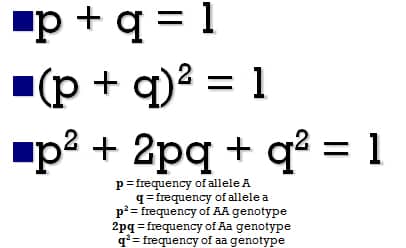
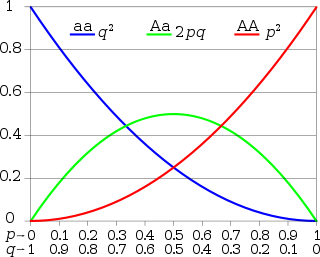
We also learned about the Hardy-Weinberg equations which represent a hypothetical population that does not have natural selection. This could never happen in reality but it serves as a useful tool to measure what type of evolution is happening in different populations.

Image result for hardy weinberg equilibriumImage result for hardy weinberg equilibrium

Bio Weekly Response 3

This week we continued learning about evolution and used fossil record, anatomical record, phylogeny, analogous structures, molecular record, artificial selection, and biogeography to explain different ideas about evolution.

Fossil records help show the succession of organisms and can even show evolutionary links between groups of organisms (transitional fossils). We measure the age of fossils using radioactive decay.

Image result for transitional fossils

Anatomical records show homologous structures, traits that have formed because of common ancestry. They have similar structure and similar development but different functions. They are used as evidence of close evolutionary relationships.

Phylogenic trees show the history of species and evolutionary closeness of different species by seeing how far back their most recent common ancestor was.

Analogous structures differ from homologous structures because they are formed from similar evolutionary pressure instead of common ancestry. They have different structures and different development but similar functions. They are used as evidence of convergent evolution. One example of this that we studied in class is the human eye vs. the octopus eye. They both serve the same function but clearly have developed very differently.

Molecular records provide a way to test evolutionary closeness by examining the proteins and genetic codes of different species. Since all life uses a genetic code, DNA can help us build family trees of species. More differences in the genetic code mean that the species are farther related but few differences mean that they are probably closely related because there has been less time in their history to develop mutations to change the code.

One way that people have used evolution to our advantages was through artificial selection. This includes Native Americans farming corn to be edible and people breeding different breeds of dogs. How did the Native people know to breed certain types of corn? What methods did they use to do this? Will dog breeds ever turn into different species?

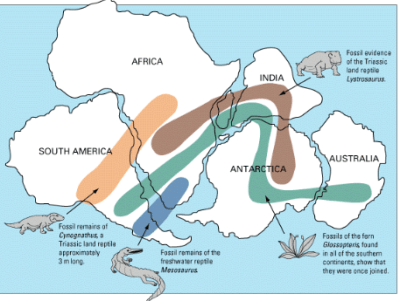
Biogeography was an interesting thing that we learned about this week. It means that organisms found in a particular area tend to be more closely related. This makes esnse because animals have a certain range that would allow them to reproduce more and develop more in certain areas. How did scientists connect the similarities in fossils along the southern tip of South America, Africa, India and Australia? Were these fossils from the time of Pangea?

Screenshot 2018-09-30 at 5.06.14 PM.png

Bio Weekly Response 2

This week we learned about evolution, common ancestry and the origins of life. We looked at two different hypothesis on the origin of life, one supported the replication-first theory and the other explained the metabolism-first hypothesis. We used these worksheets to learn about the differences in the two theories.

The chapter 19 reading was about evolution, variation and natural selection.

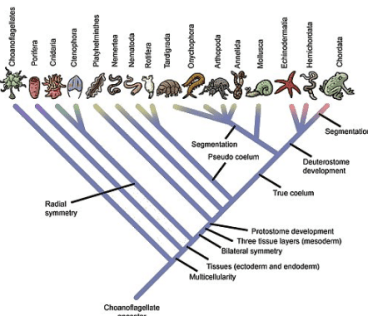
Screen Shot 2018-09-23 at 4.32.10 PM.pngIt included these tree-shaped diagrams that show how different species come from common ancestors. What was that common ancestor? I am curious how people have reacted to these ideas of evolution over the years and why some people still don’t believe in it.

Bio Weekly Response 1

During this week, 9/10-9/14, we started learning about evolution. We used the Galapagos finches and the Rock Pocket mice to visualize and understand natural selection and evolution.

We filled out a packet on the Galapagos finches and discussed how evolution, adaptations and natural selection had played a role in their survival. Peter and Rosemary Grant are ecologists who studied medium ground finches on Daphne Major, an island in the Galapagos, and saw evolution happen in just a small amount of time. During the drought of 1977, the small seeds on the island were harder to find so the finches that had small beaks had a difficult time finding food to eat because their beaks were too small to eat the large, spiny seeds. Many of the small beaked finches died off while the large beak birds survived at much higher rates.

The birds with large beaks had a higher fitness and were adapted to survive better than the small beaked birds in this environmental situation. Now the interesting part was what happened the next year when Peter and Rosemary came back to the island and measured the beak sizes of the offspring. The next generation of finches had larger beaks on average than the generation before them. The finches that survived the most had large beaks and passed this gene onto their children. This is how natural selection, the organisms that were ‘selected’ by their environment to survive and reproduce pass their successful traits onto their children, creating a more fit generation.

We also learned about the Rock Pocket mice. They were also used to demonstrate natural selection and evolution. The tan mice were hidden from predators in the sand but stood out on the black rock. The dark mice were first caused by a mutation in the tan mice population but since the trait was favored for the dark rock environment, those mice survived and passed on that adaptation. Eventually, the population of Rock Pocket Mice living on the black rock was almost exclusively dark mice while the population of mice living in the sand was predominately made of tan mine.

Natural selection is a process where fit organisms that have adapted to their environment will survive and reproduce and those that don’t have the correct traits won’t survive, which is how species adapt and get better over time. While evolution was previously thought to take a long time and many, many generations, the work of the Grants and the example of the Rock Pocket Mice prove that nature is constantly evolving and that natural selection can be seen in just a few generations.

Mutation and reproduction are ways that species can increase variety that will help sections of the species survive even if part of the population is wiped out by natural selection.

What I’m wondering coming off from this week is how will the changing environment force humans to adapt? Since we as a species have more control over our environment and have better technology than any other species, is evolution different for humans than other organisms or are we changing in similar ways to other species?

Summer Homework

IMG_0001

Term: Fruit- dried with seed

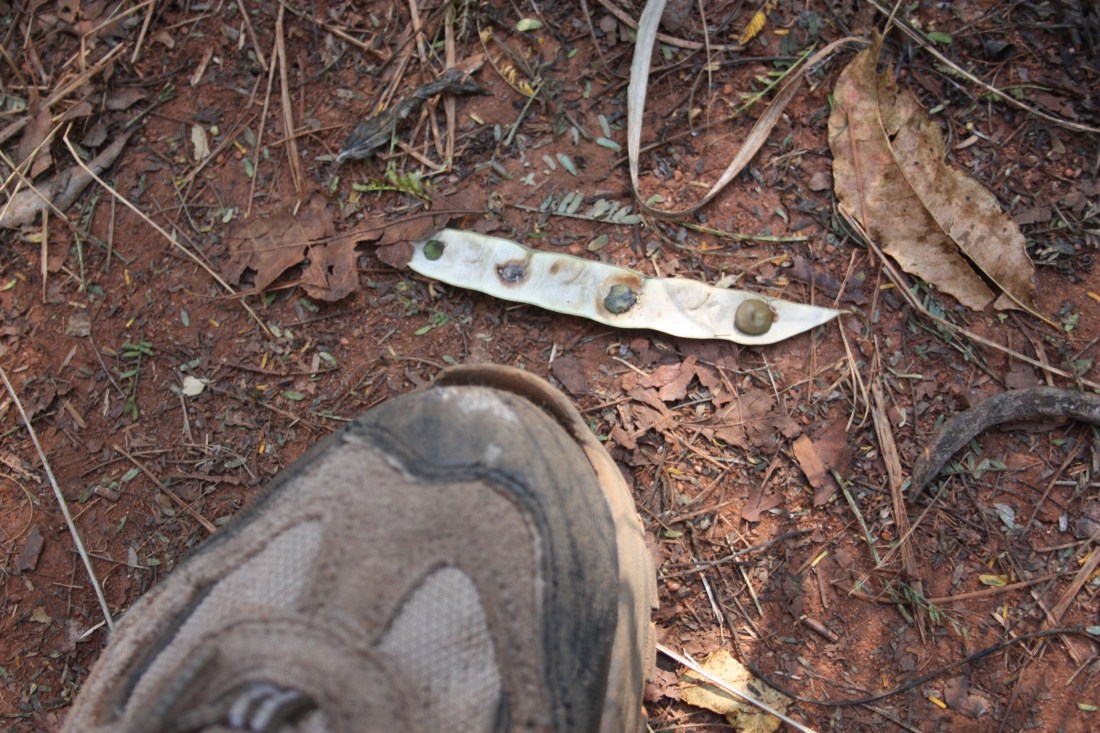
A dried fruit with seeds has dead, mature cells, and typically is referring to a seed pod or similar item. This photo shows the seed pod of an acacia tree that has fallen to the ground and split open to reveal the dry seeds inside.
IMG_0002

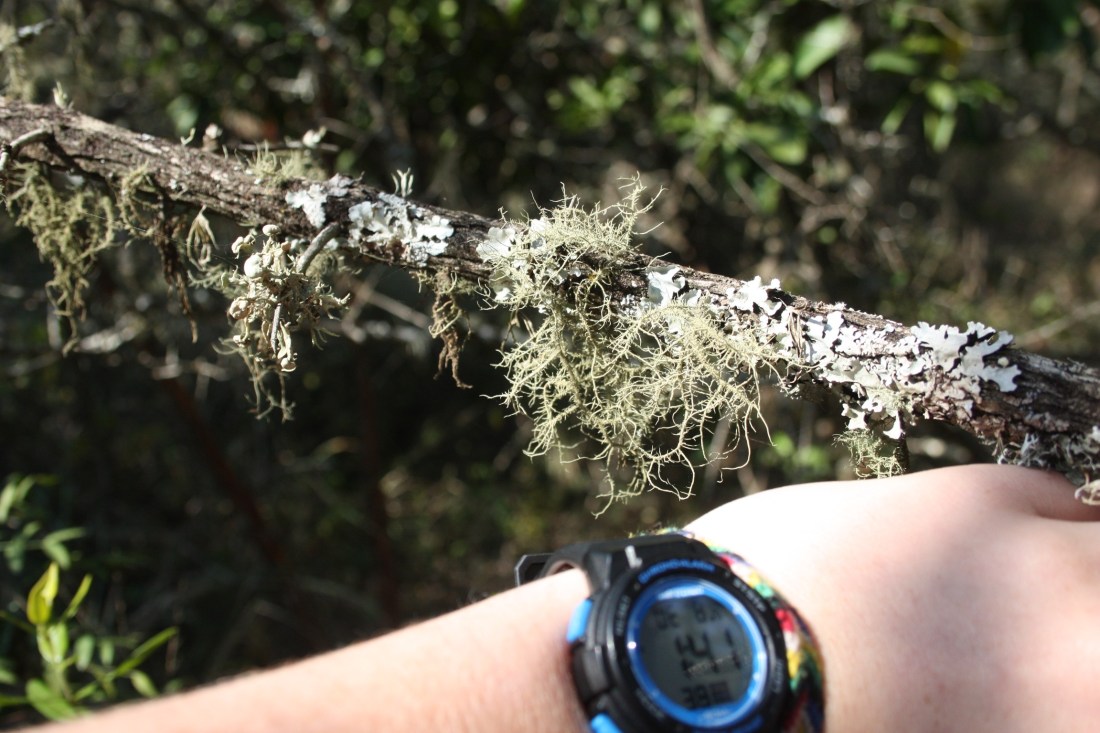
Term: Lichen

Lichen is a group of tiny plants that form a leaflike or branching growth on plants or rocks. It is typically gray, green, brown or white. The photo above shows lichen, the shorter whitish-gray plants, growing on top of a tree branch.
IMG_0003

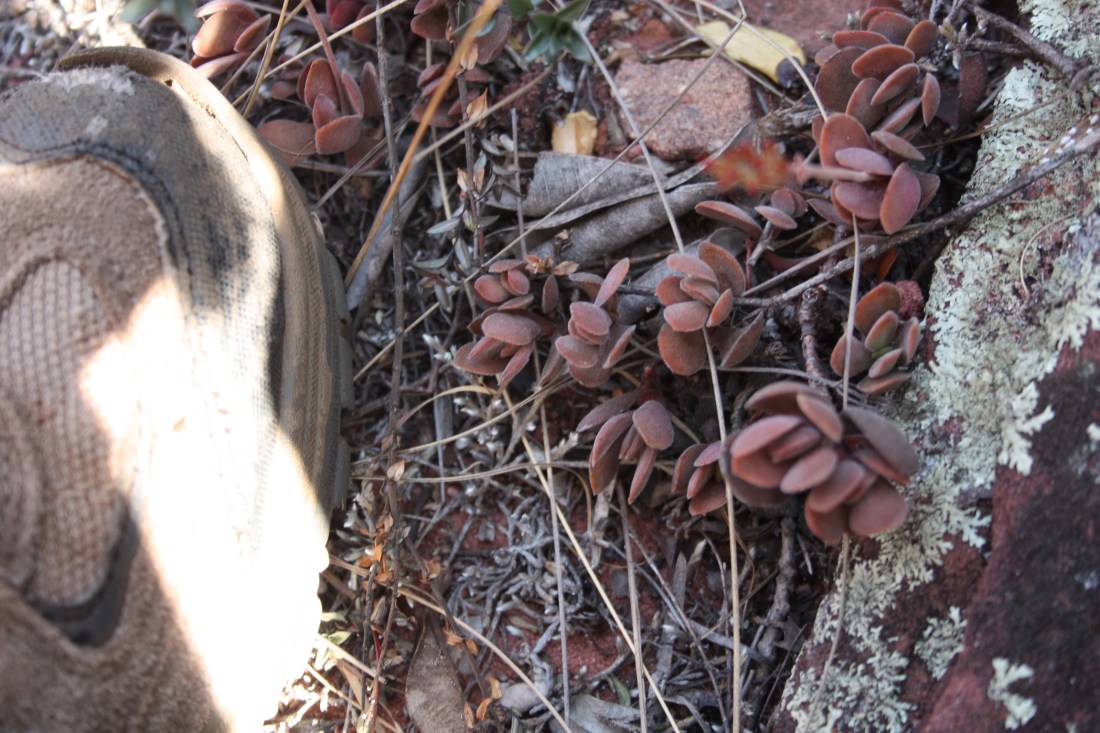
Term: Adaptation of a plant

An adaptation of a plant is a characteristic of a plant that has been formed over a long period of time that allows that plant to survive and thrive in a certain region. Plants with that adaptation survive for longer and reproduce offspring that carry on the successful traits. This photo shows a succulent, a plant that has adapted to a dry, arid climate by preserving water for long amounts of time and not needing much water to grow.
 

IMG_0005

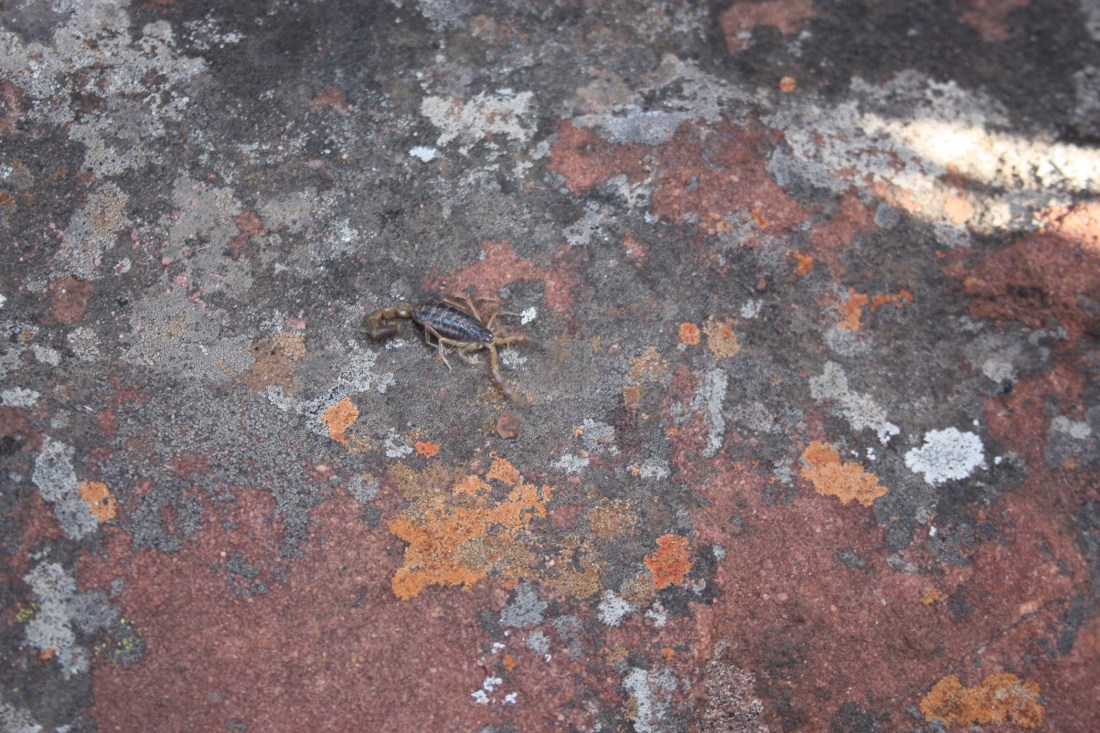
Term: Animal that has a segmented body

An animal that has a segmented body has different sections that divide the animal into repetitive segments. These different sections allow for free movement and make development easier. Scorpions have segmented bodies to allow for easier movement specifically in their tail region.
IMG_0007

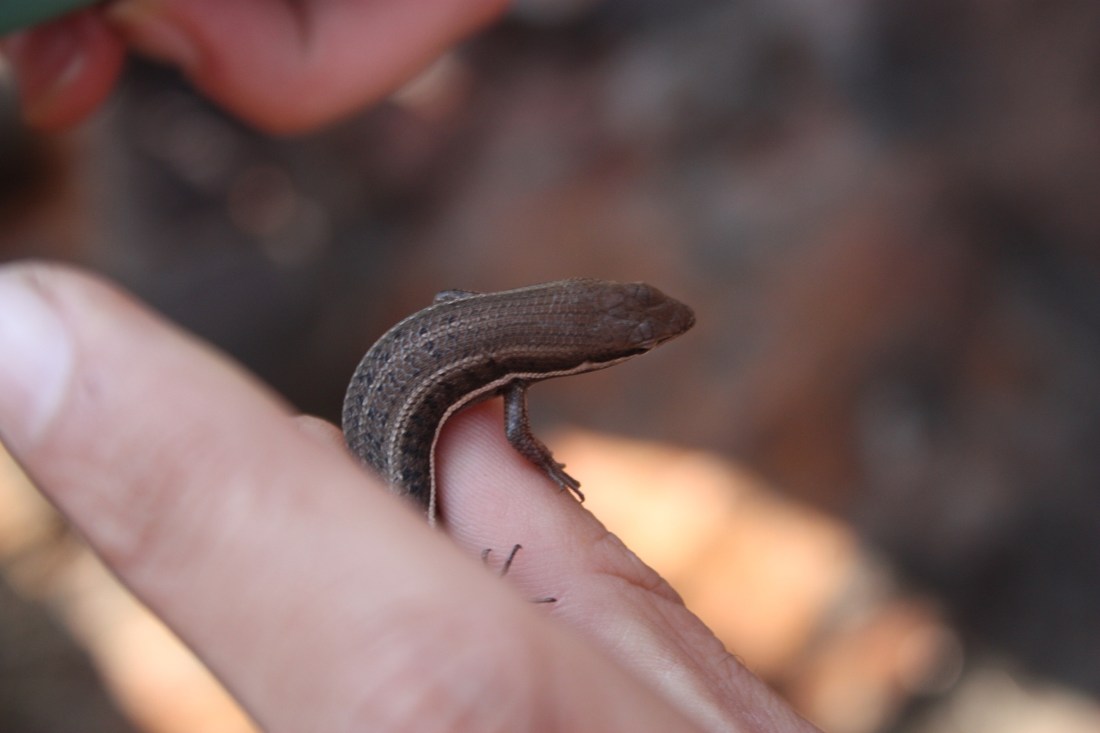
Term: R-strategist

An R-strategist is an organism that has to have many offspring because it has an unstable environment and there are low survival rates for that species. Small animals that have many young at one time, like this lizard, are examples of R-strategists.
IMG_0008

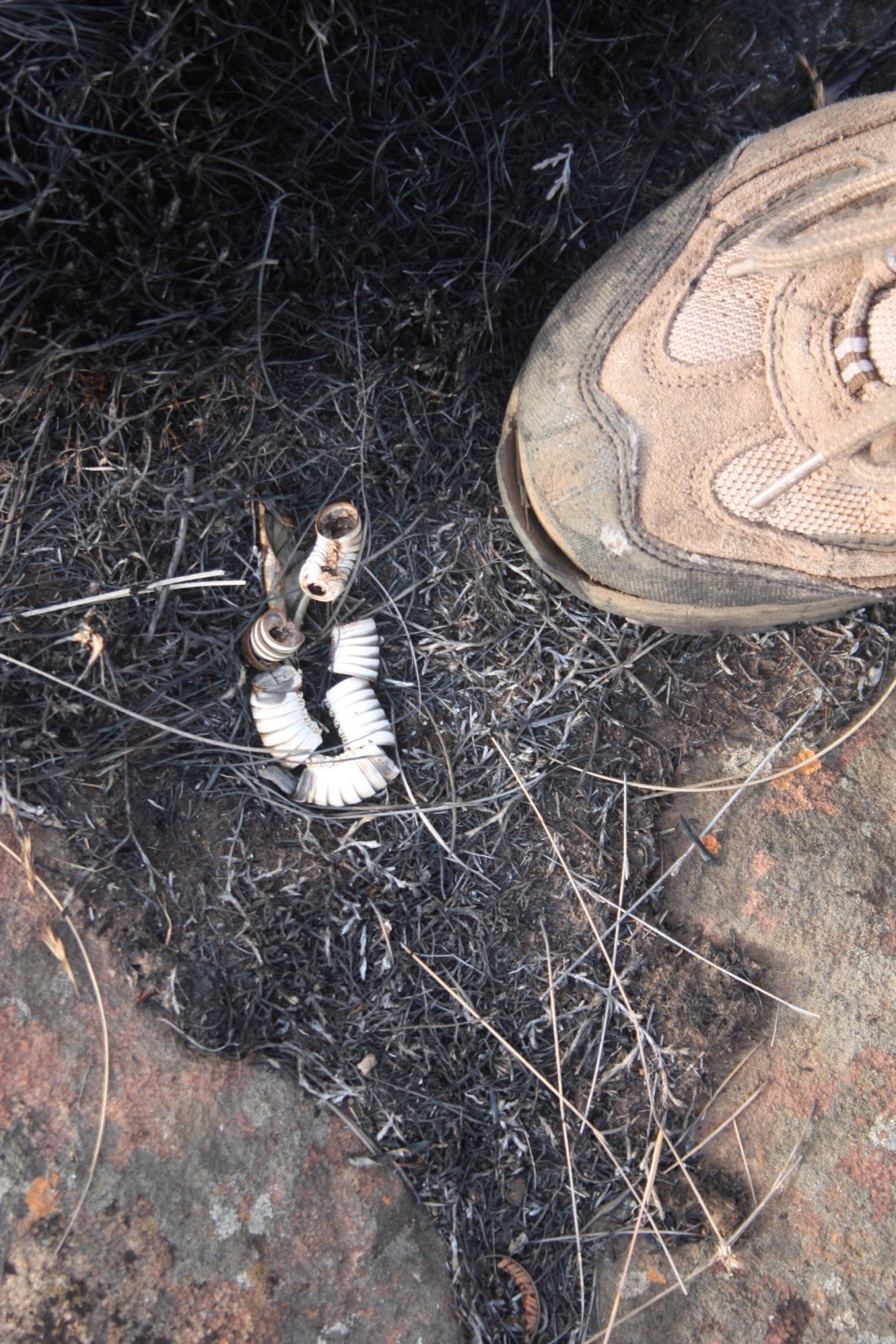
Term: Exoskeleton

An exoskeleton is the hard outer layer of protective skin on invertebrate animals. Because of its structure, exoskeletons also provide support for the animal because they don’t have the internal structure that vertebrate animals do. This photo shows a disposed exoskeleton of a certain type of millipede.
IMG_0009

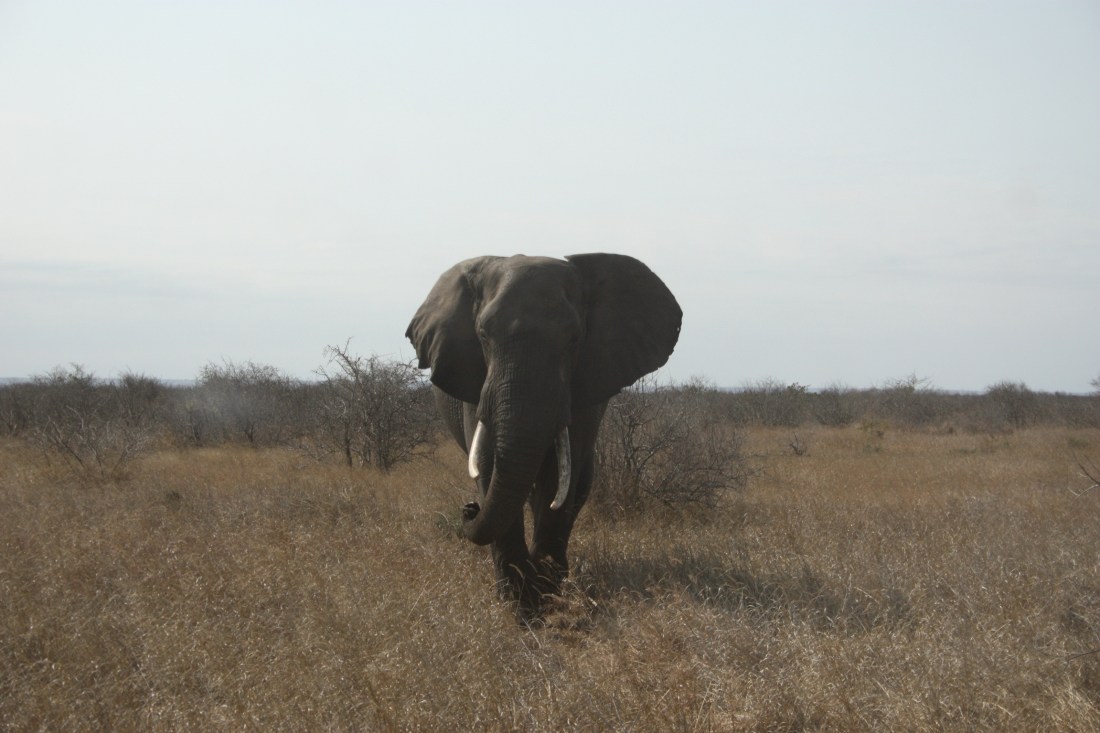
Term: K-strategist

A K-strategist species is one that lives in a stable environment and produces few offspring. An elephant, like the one in the picture I took above, is a good example of a K-strategist because they are very large animals that only have one or two children at a time, because the babies are very valuable and
IMG_0010

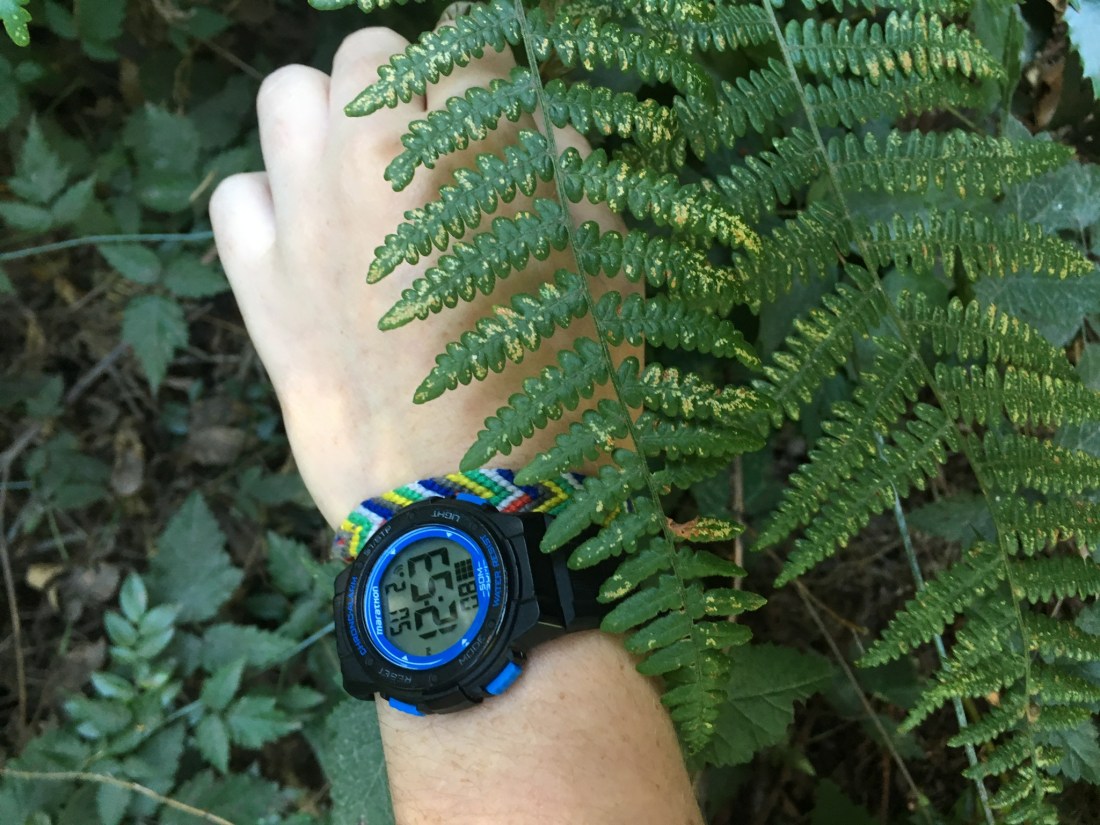
Term: Frond

A frond is a leaf, usually with many divisions, of a palm, fern or similar plant. As you can see in the photo above, the fern frond is covered with asymmetrical smaller leaves spreading horizontally from the frond.
IMG_0011

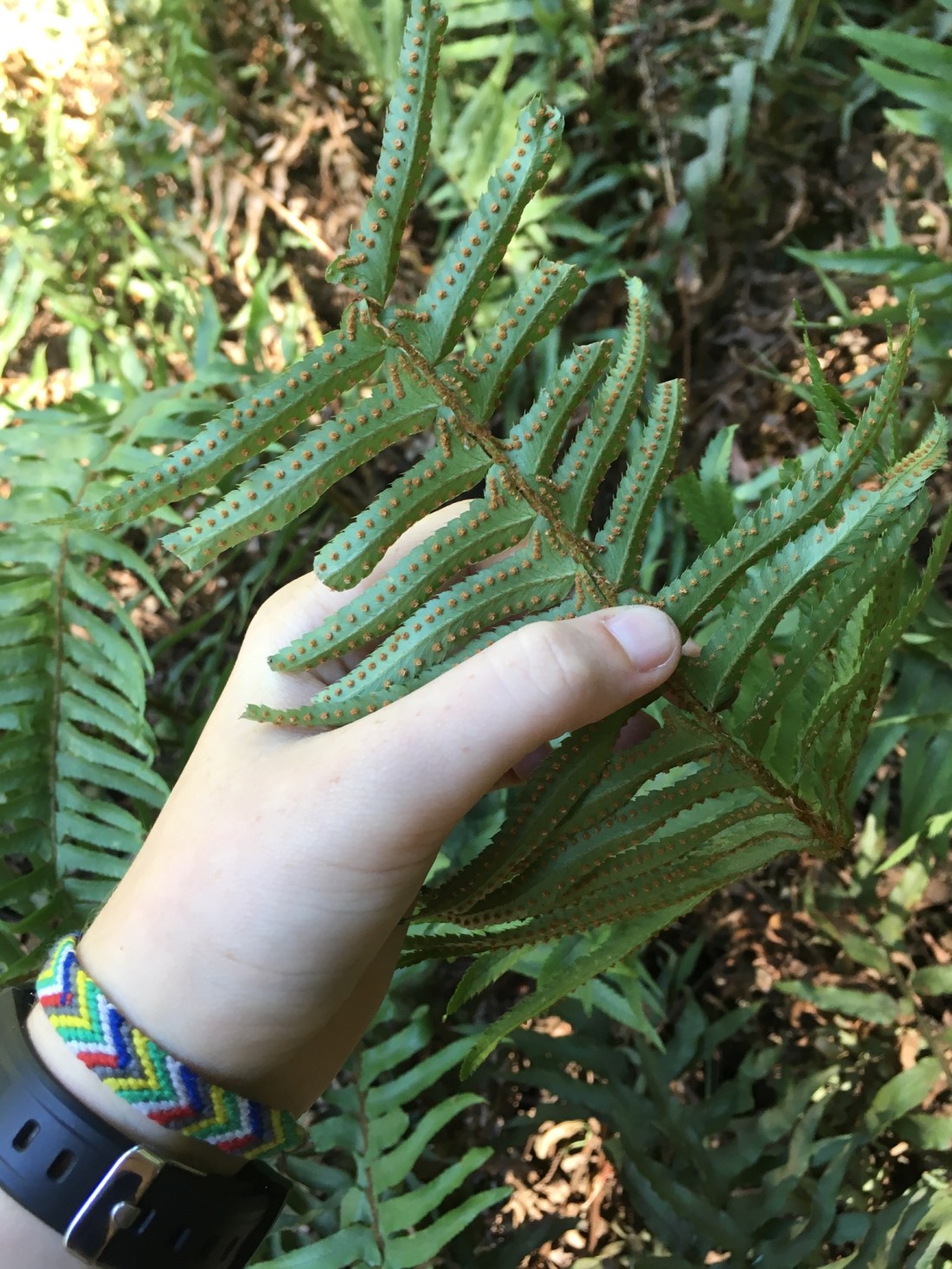
Term: Spore

A spore is similar to a seed in the sense that it is used to spread and create new organisms. Plants and fungi produce spores that are transported to new locations through wind or by brushing off on to passing animals. The fern pictures above has produced spores on the underside of its leaves that are soon going to be released and take root elsewhere.
IMG_0012

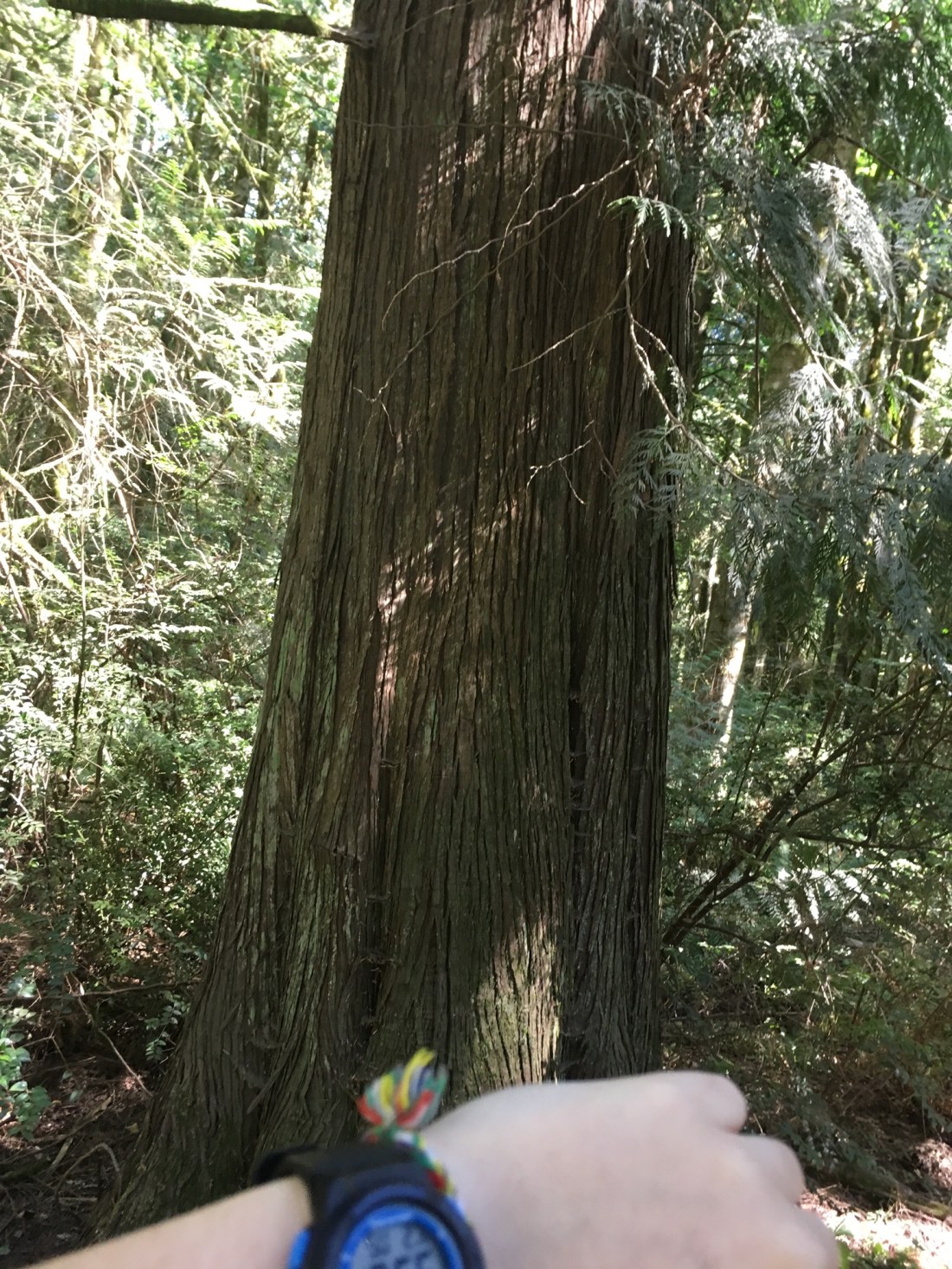
Term: Woody stem

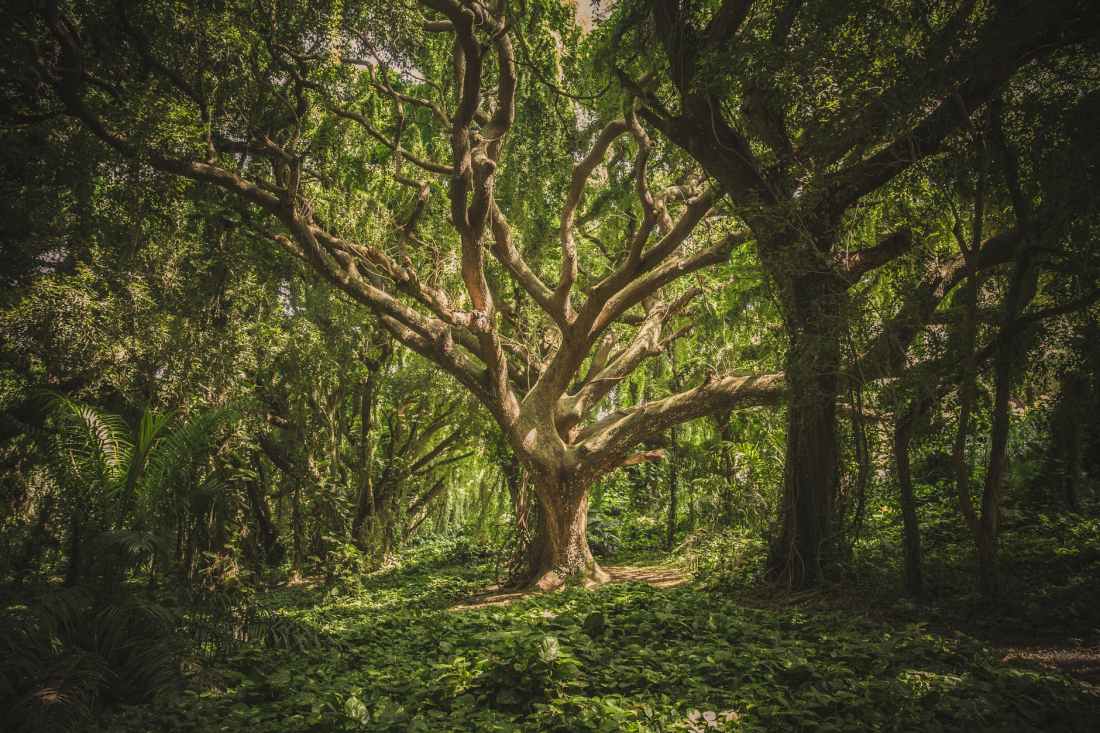
A woody stem is a stem of a plant stem that produces wood as its structural material, typically trees or shrubs. These plants don’t die every year and their stems continue growing. The tree in this photo clearly has a woody stem because it is a large, years old plant that has a woody structure.
IMG_0014

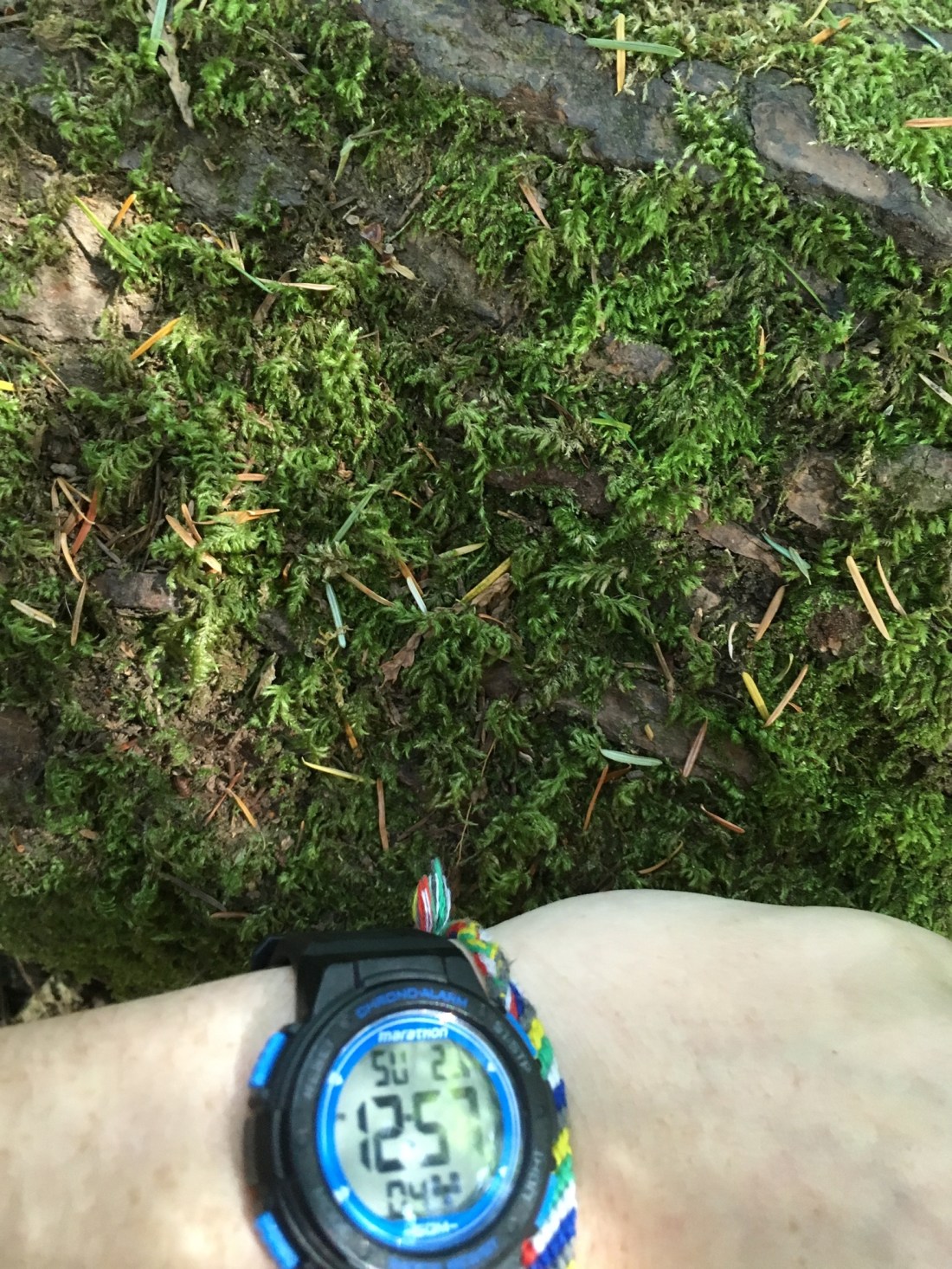
Term: Bryophyte

A Bryophyte is a small, flowerless green plant. The informal grouping consists of moss, liverworts, and hornworts. They grow best in moist climates and often grow on top of other, larger plants. The moss in the photo is a part of the Bryophyte grouping because it is a small, non-vascular plant that has no seeds or flowers.
IMG_0016

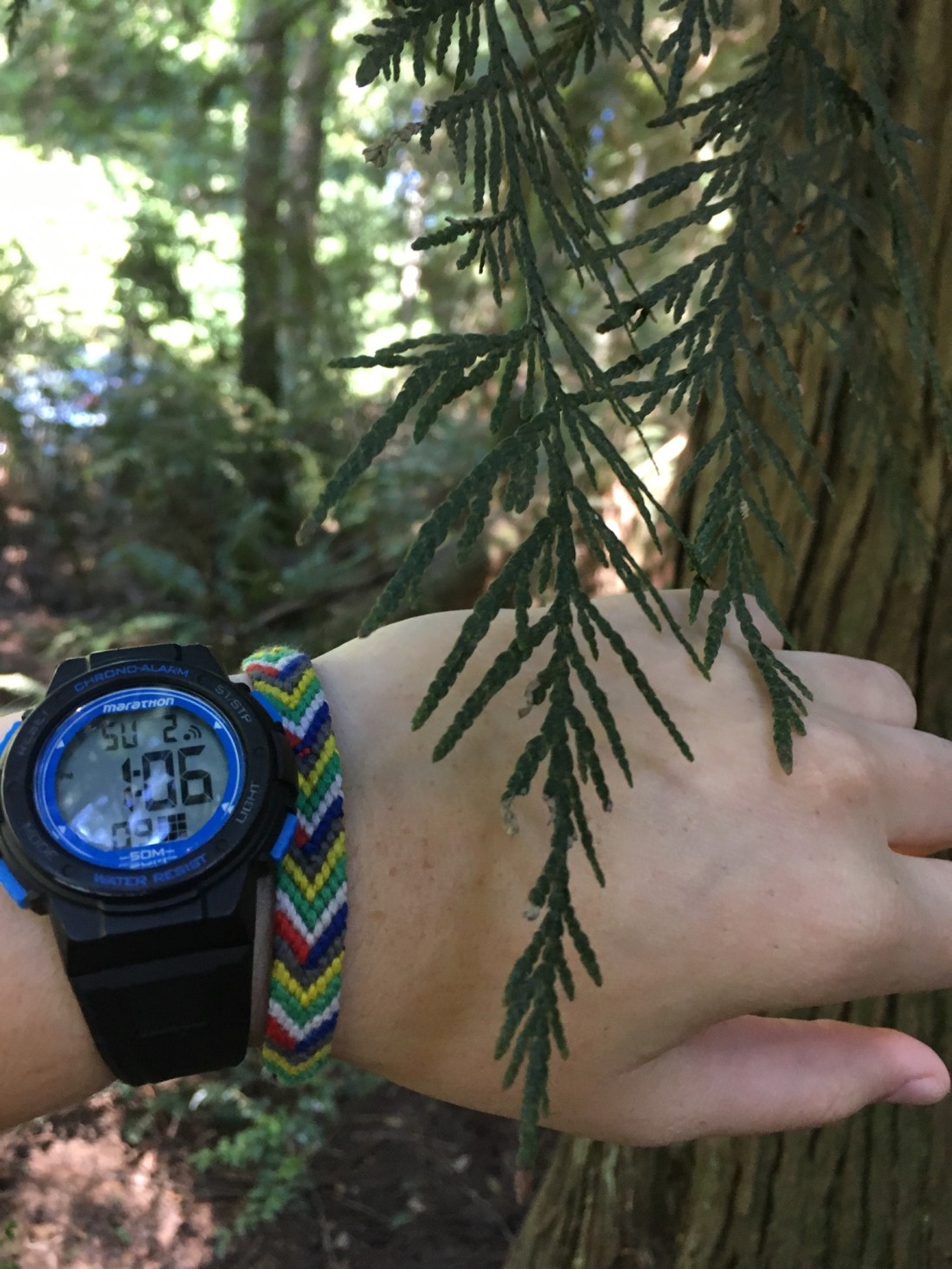
Term: Conifer leaf

Coniferous trees stay green all year round and do not lose their leaves annually. A conifer leaf is typically more of a needle shaped to reduce damage from the accumulation of snow. The leaves in this photo are from a coniferous tree in the Grand Forest and resemble a needle shape much more than a deciduous leaf would.
IMG_0017

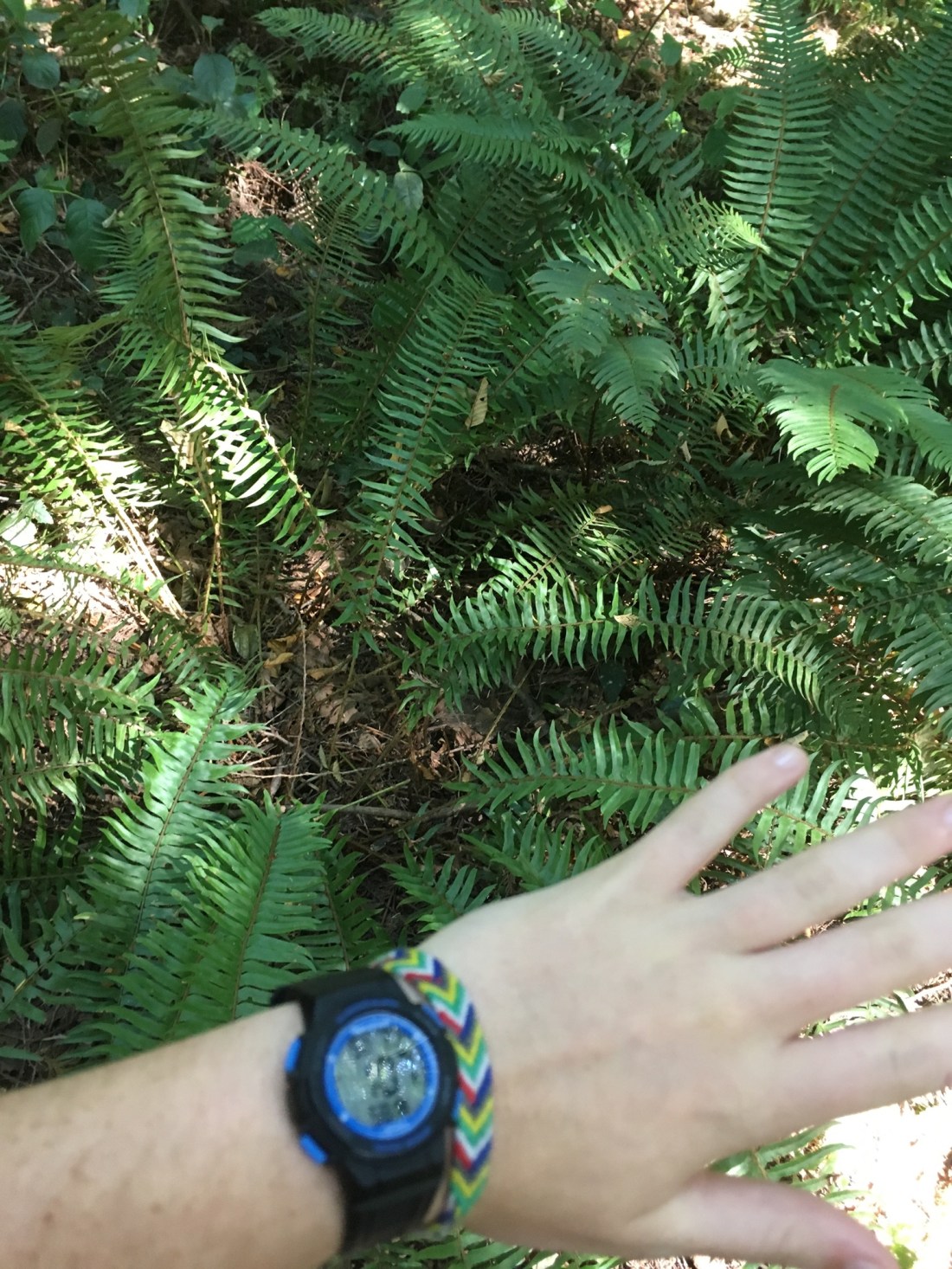
Term: Autotroph

An autotroph is an organism that creates its own food through photosynthesis rather than an organism that gathers nutrients through eating other plants or animals. This photo shows lots of plants, which are all autotrophs because they provide their own food.
IMG_0018

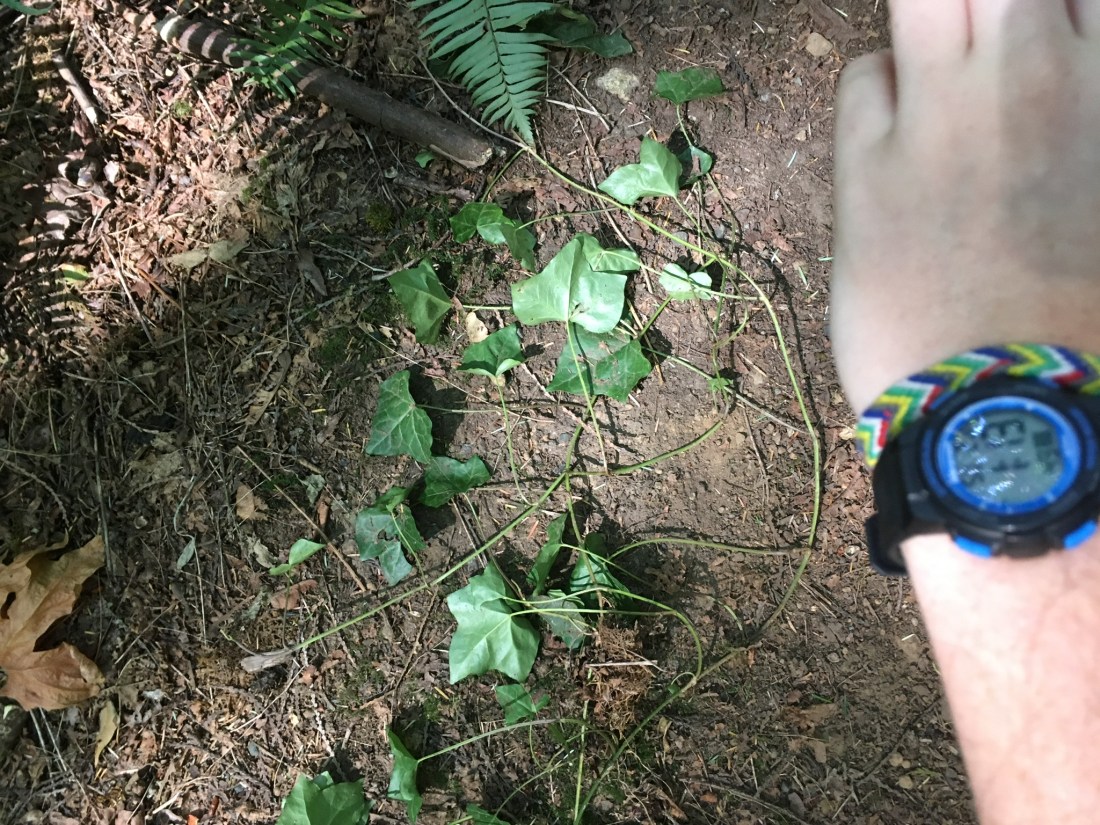
Term: Tendrils of a plant

A tendril of a plant is a specialized stem and is used to anchor and support. They generally twine around larger plants, although the tendril in the photo has fallen off of its host plant.
IMG_0019

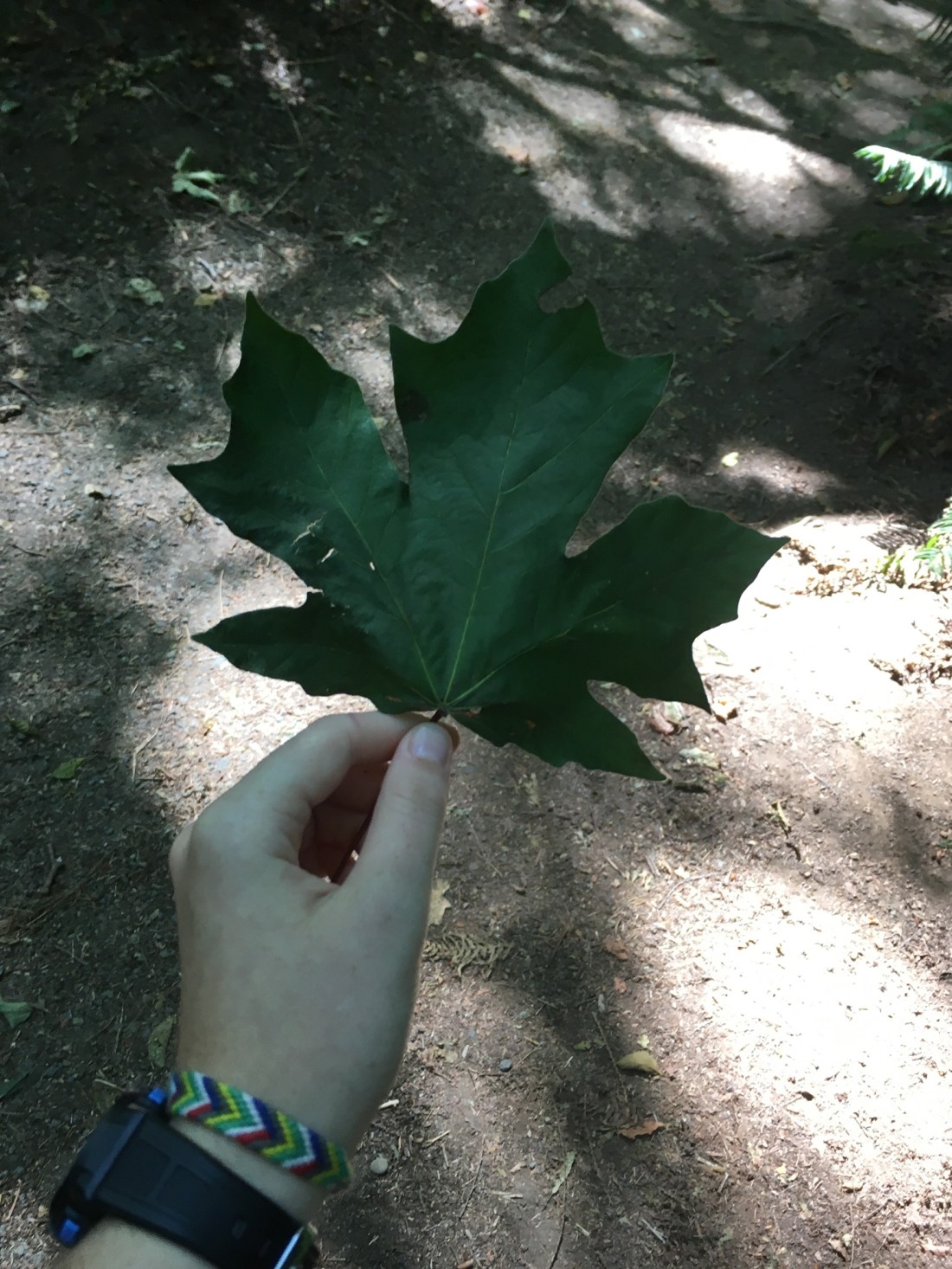
Term: Deciduous leaf

Deciduous trees lose their leaves every year during the winter. Deciduous leaves are typically broader and bigger than conifer leaves and the veins of the leaf are usually visible. This leaf is a deciduous leaf because of its size, shape and image. You can see the cells of the leaf on the underside.
IMG_0020

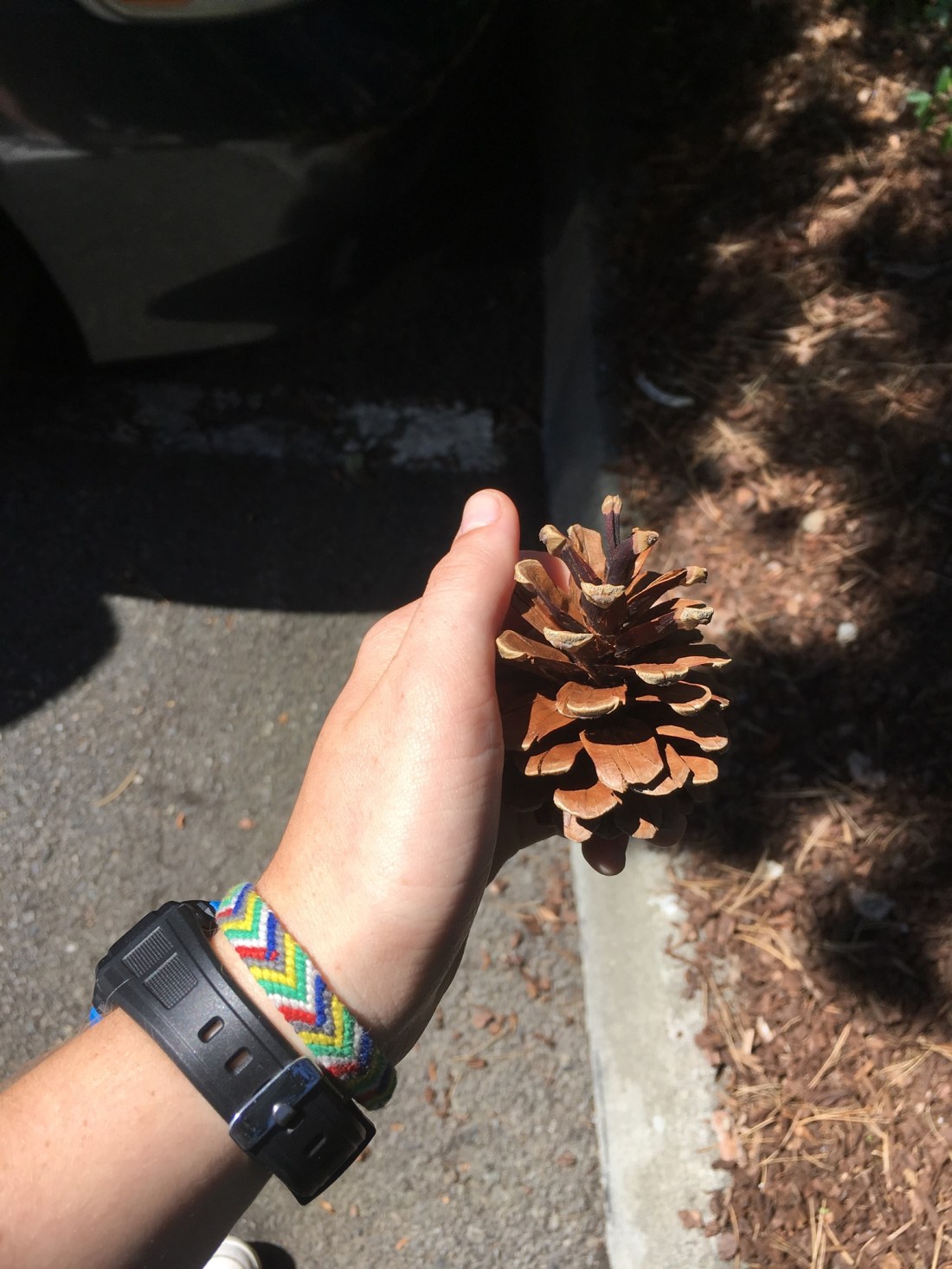
Term: Pine cone-female

A female pine cone differs from a male pine cone because the scales are open and the pine cone is larger in size than the male ones. This pine cone has very open scales that have a seed in them that will get pollinated by a male cone.
IMG_0021

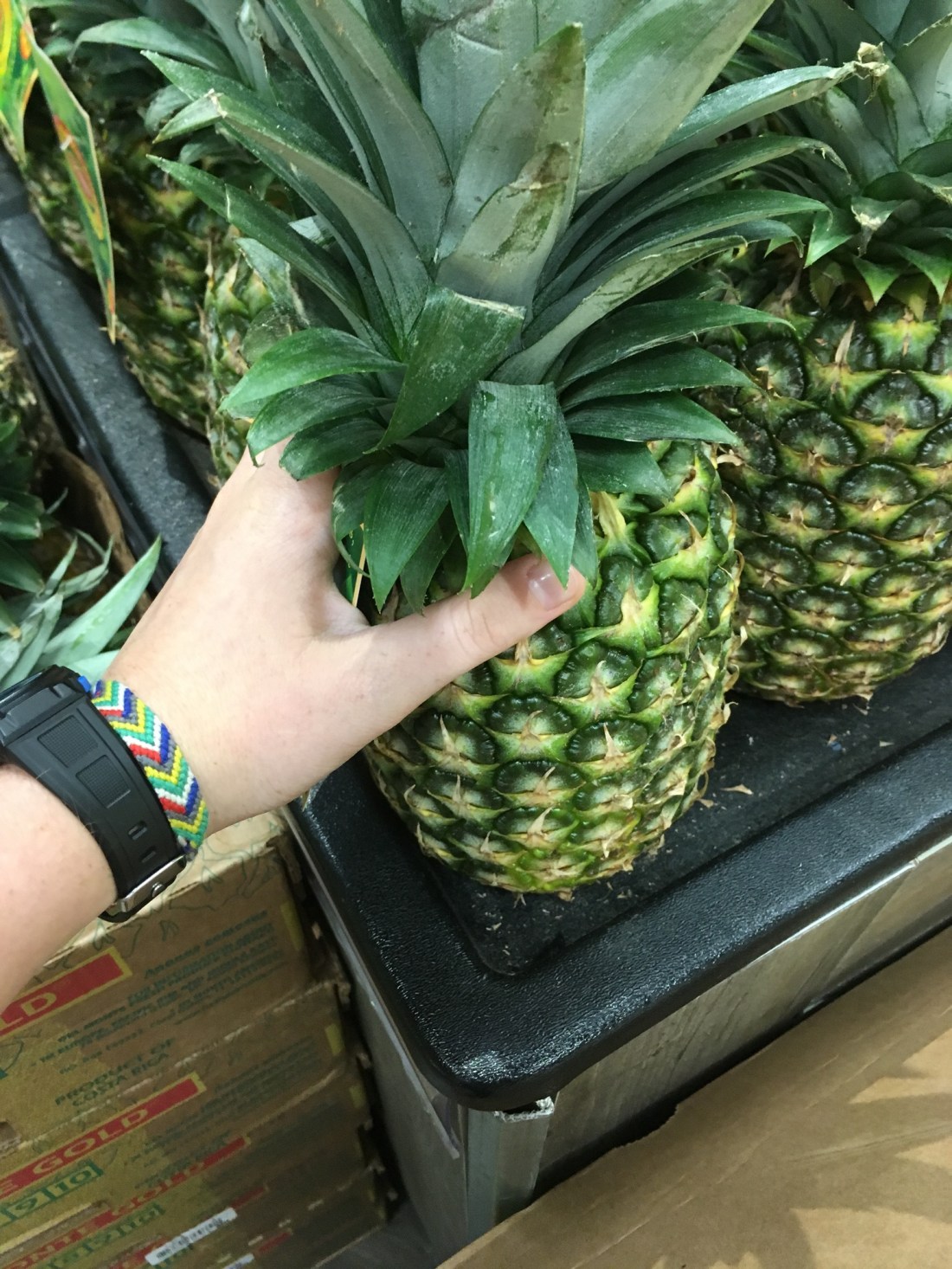
Term: CAM plant

A CAM plant is a plant that photosynthesizes through Crassulacean Acid Metabolism and are mostly succulents. They are adapted to dry, desert climates. A pineapple is a CAM plant and a member of the Bromeliaceae family.

IMG_0022

Term: Pollen

Pollen is the small, dust-like particles in plants that are from the male part of a plant that can fertilize the female the female ovule. The pollen is visible in the center of these flowers, it is the yellow powder.
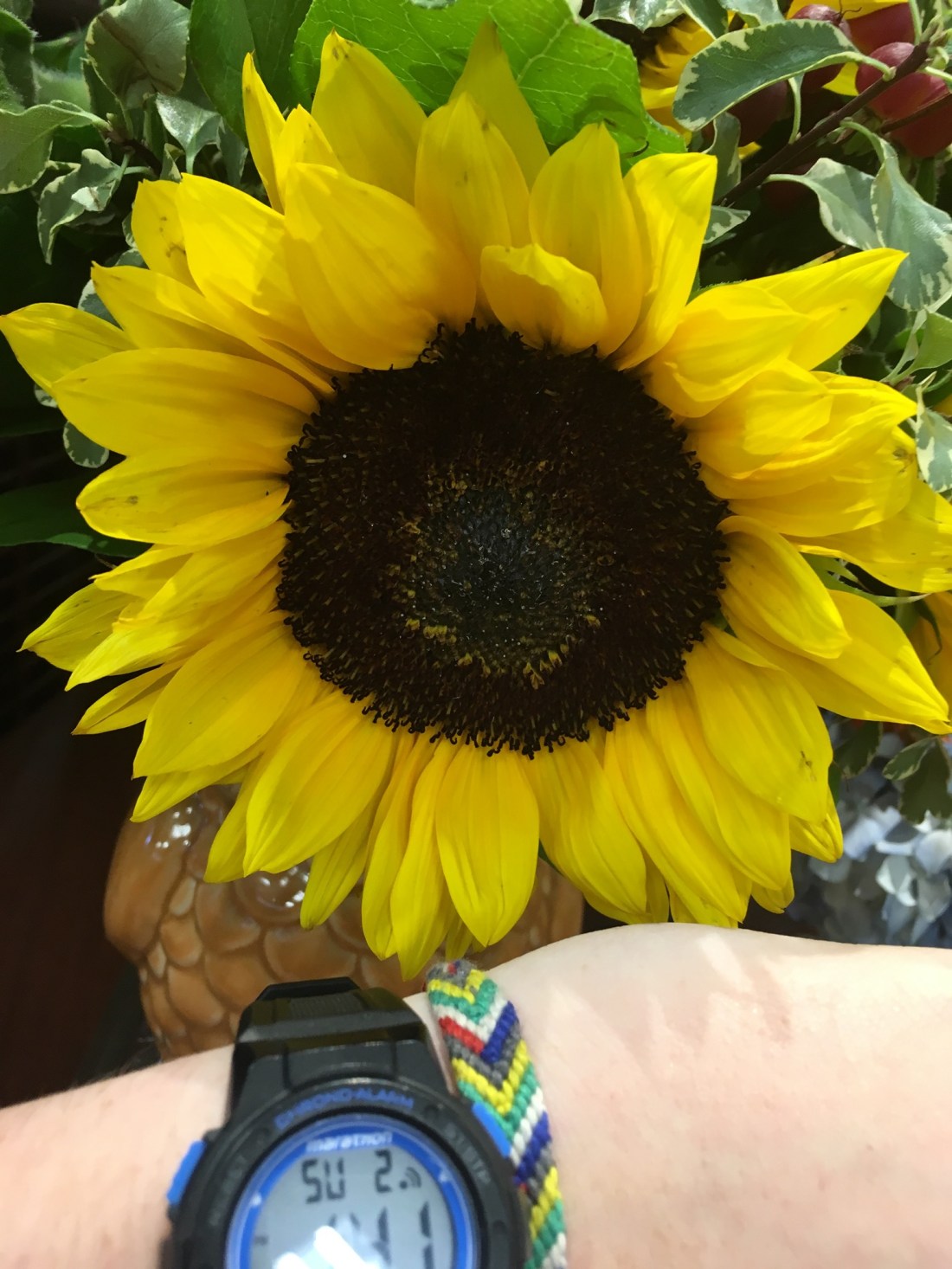
IMG_0023

Term: Radial Symmetry

Radial symmetry is abundant in nature. It is a type of symmetry that starts in the center and has identical pie slices going out from the midpoint. A sunflower is an example of radial symmetry because the petals are layered from the center and it is a circular shape.

IMG_0024

Term: Flower ovary

The ovary of a flower is within the center of the petals. It is fertilized by pollen from the male flower. It is a part of the female reproductive system and contains the ovule. The ovary is not visible from this photo but it would be within the petals at the base of the flower.
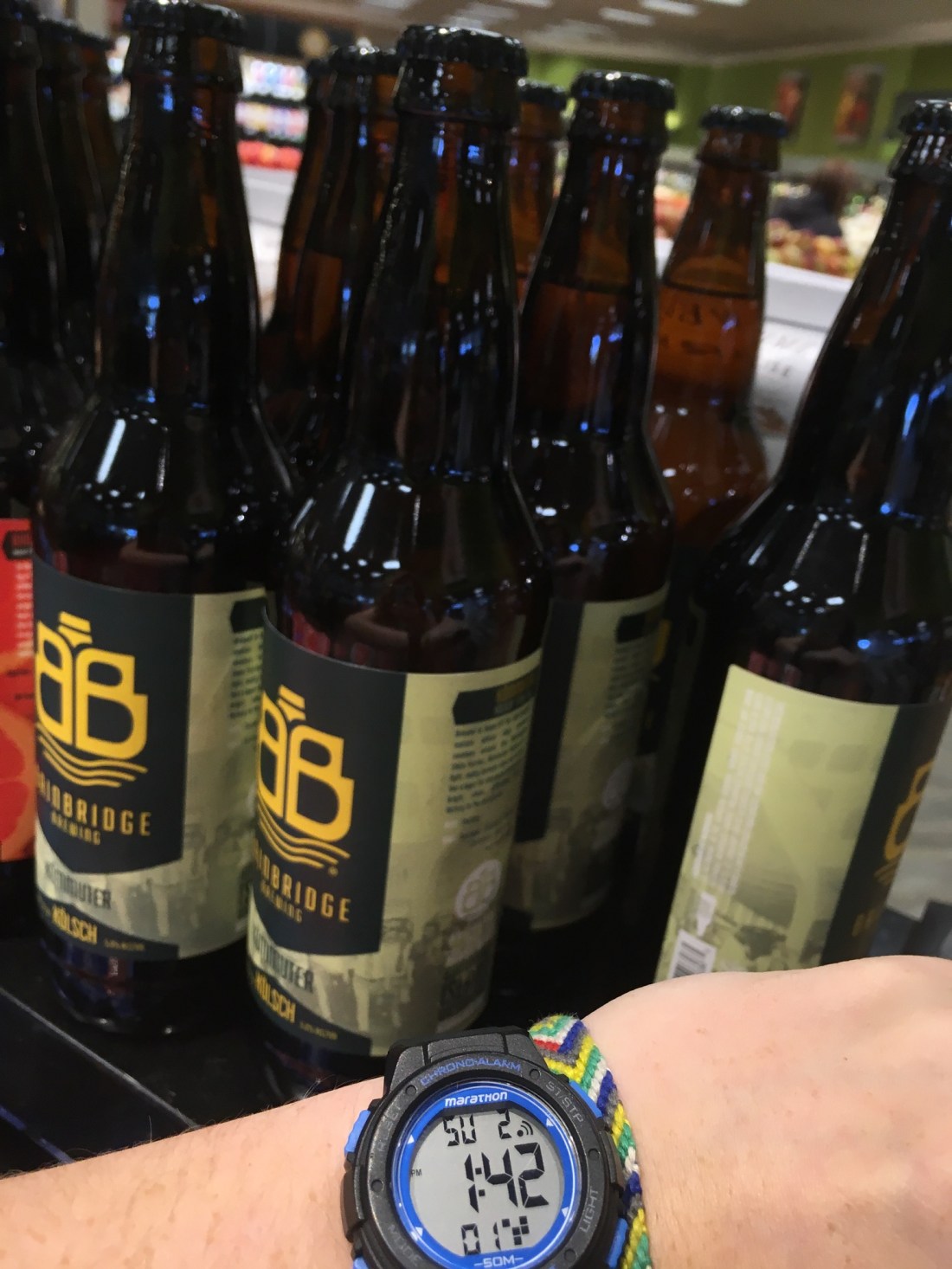
IMG_0025

Term- Fermentation

Fermentation is the chemical breakdown of yeast and usually gives off heat and involves effervescence. It is used in the creation of beer in order to get the ingredients to produce the alcohol content.
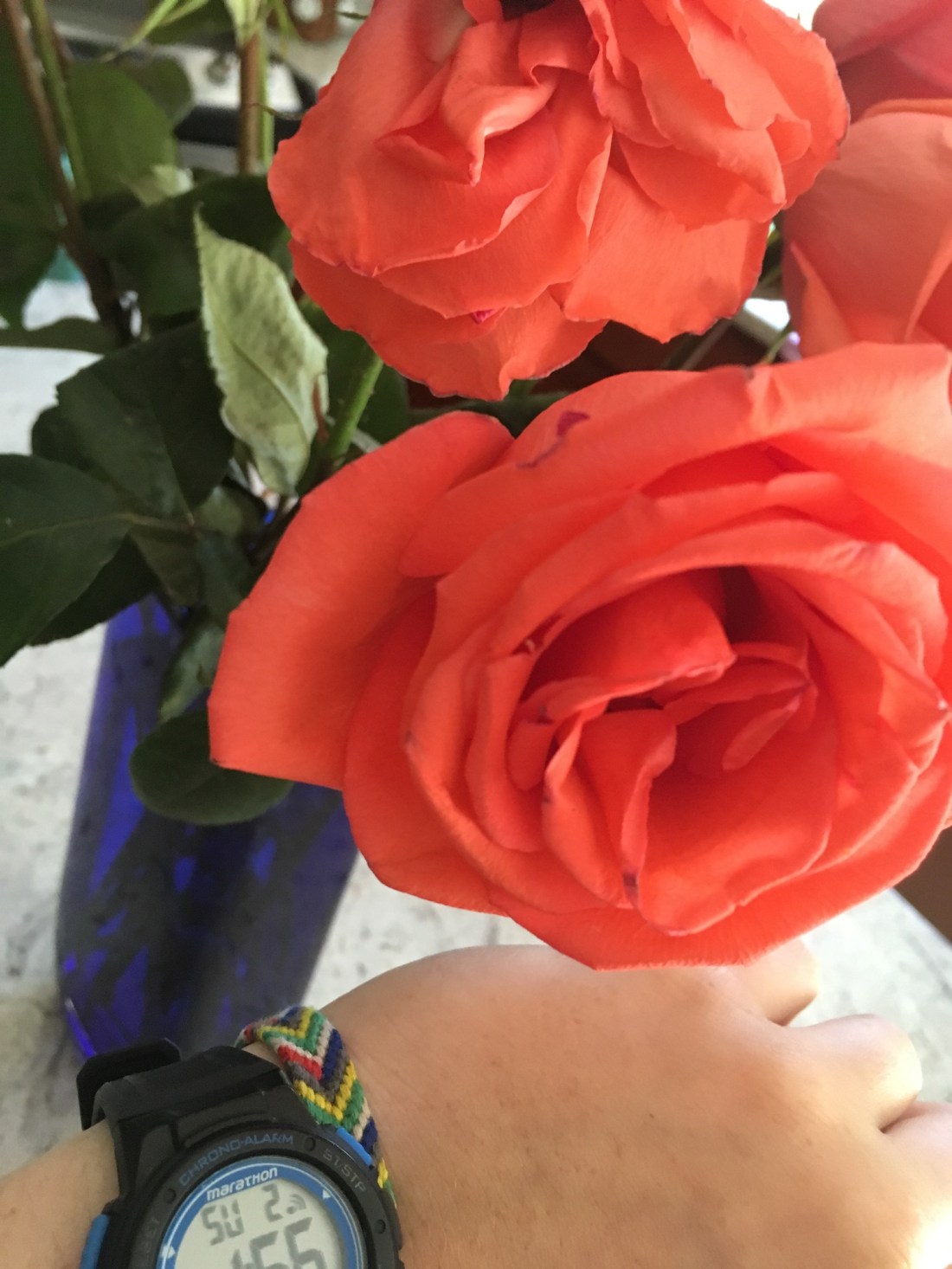
IMG_0026

Term- Dicot plant with flower and leaf

A dicot flower is a flower thats seed has two embryonic leaves or cotyledons. This is one of two groups that divide flowering plants, the other being monocots. A rose is a dicot flower because of their seed, foliage and flower structure. Their leaves form a branched pattern rather than a parallel pattern and their roots are branched as well.
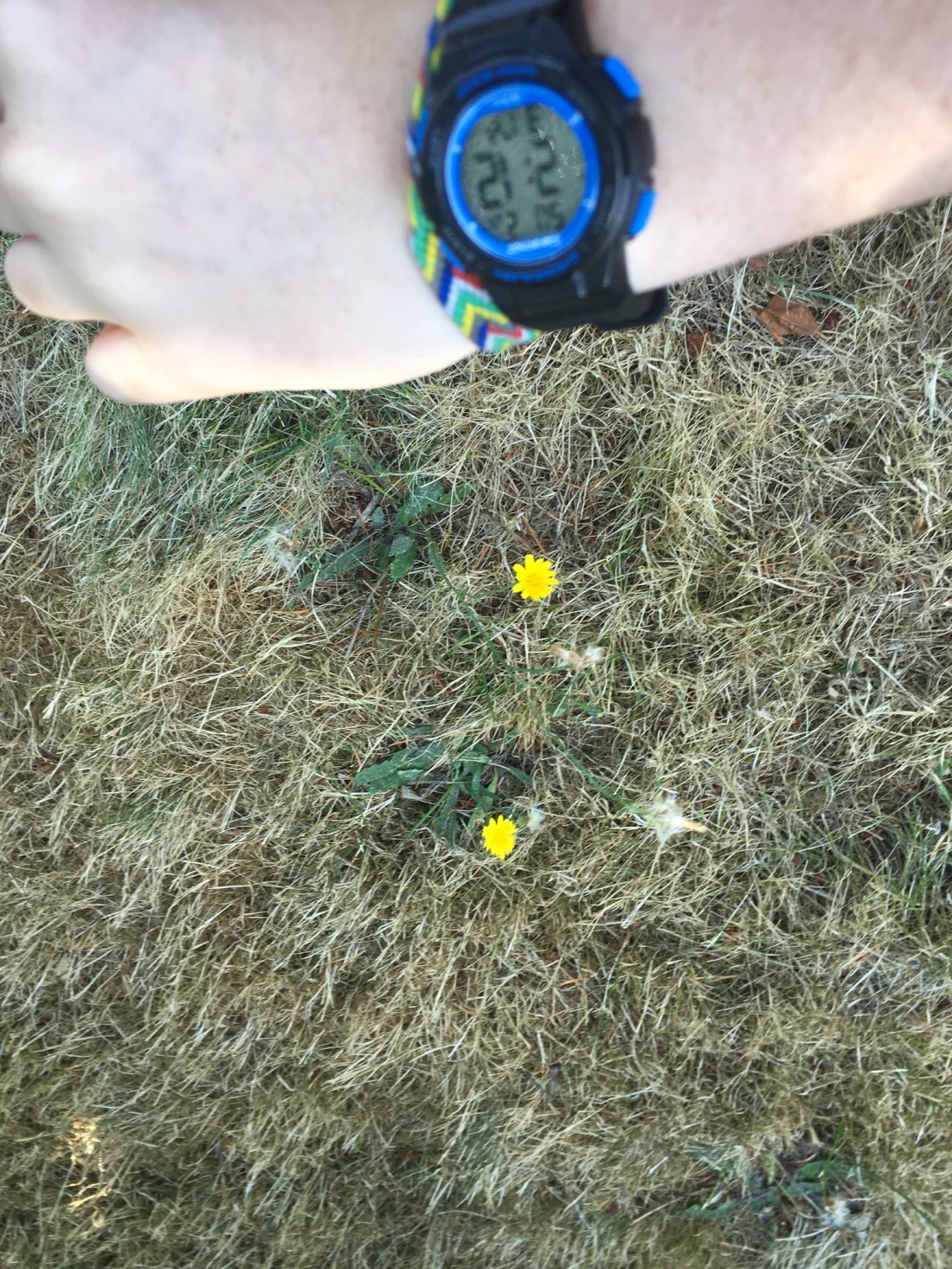
IMG_0027

Term: Cellulose

Cellulose is an insoluble substance that is the main constituent of plant cell walls. It is a polysaccharide consisting of chains of glucose monomers. Cellulose exists in all plants, such as the ones pictured, and is important in the process of photosynthesis.
IMG_0028

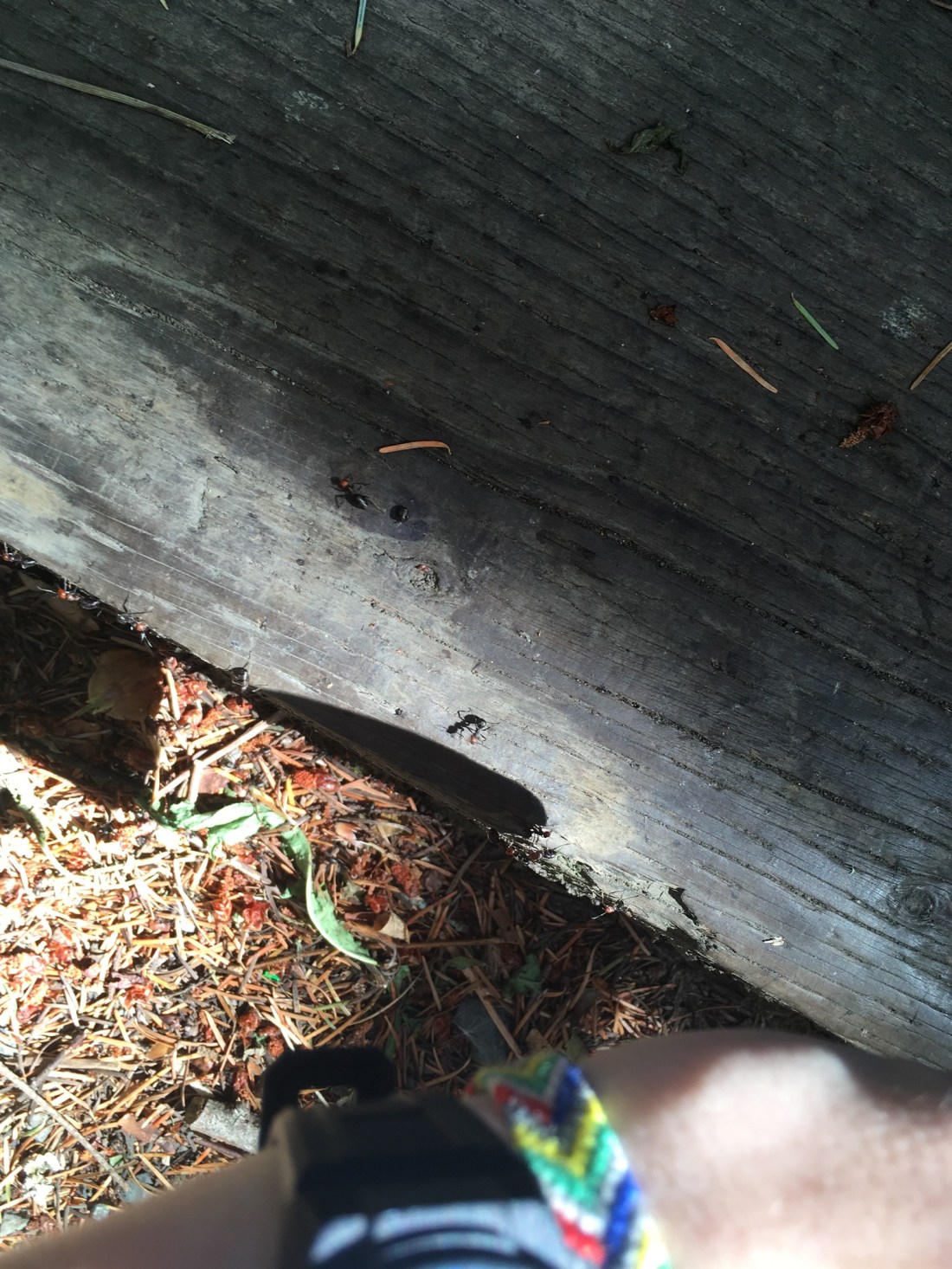
Term: Insect

Insect is a classification of small arthropod animals that typically have several pairs of legs. They are usually invertebrates with a well defined head, thorax and abdomen, as seen clearly in the ant pictured above.
IMG_0029

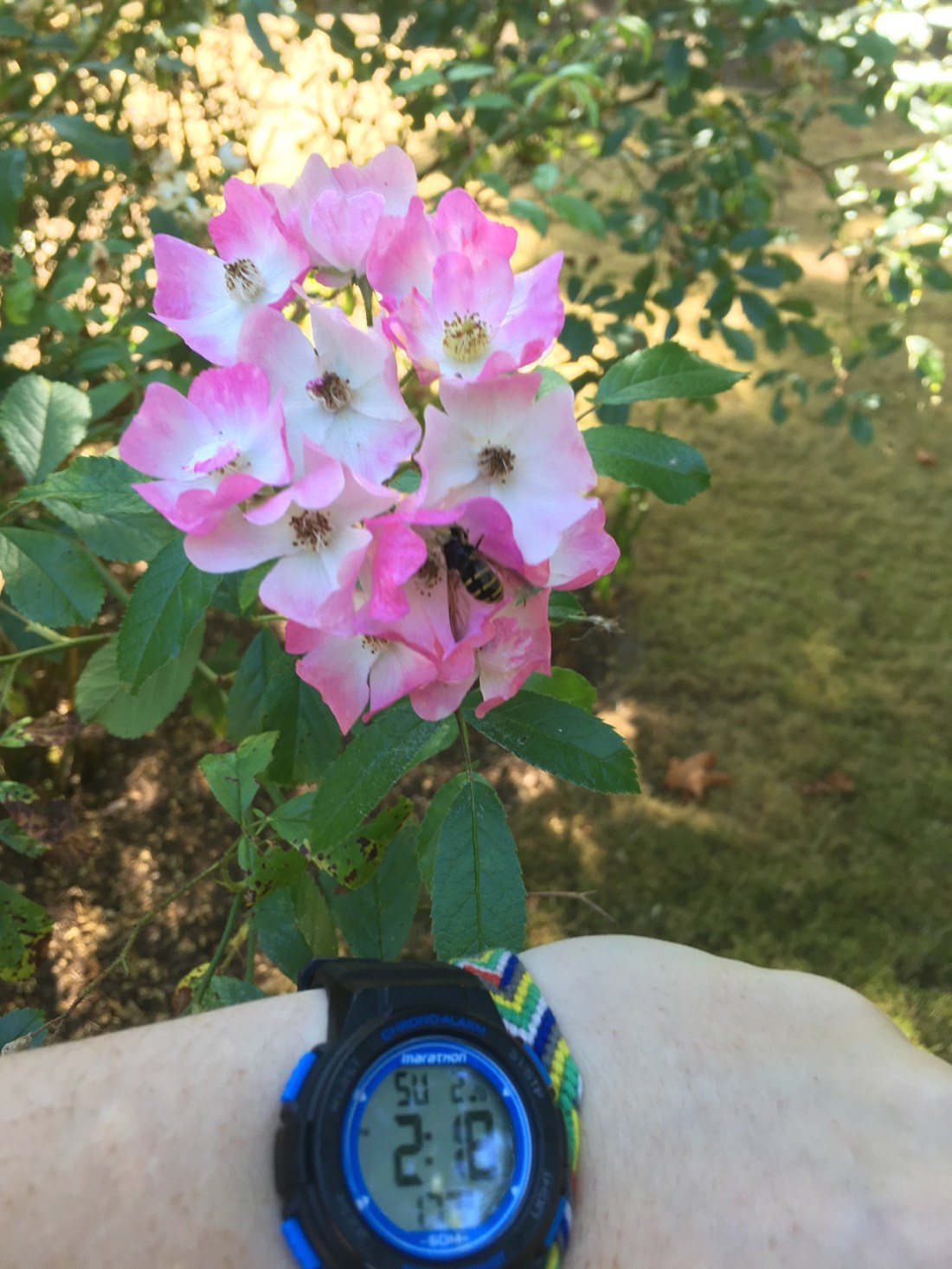
Term: Pollinator

A pollinator is an animal that assists in the pollination of plants such as flowers. A bee is a popular pollinator because of how they fly from plant to plant, carrying pollen on their feet, to gather nectar for honey production. They spread the pollen and allow fertilization of new flowers.