
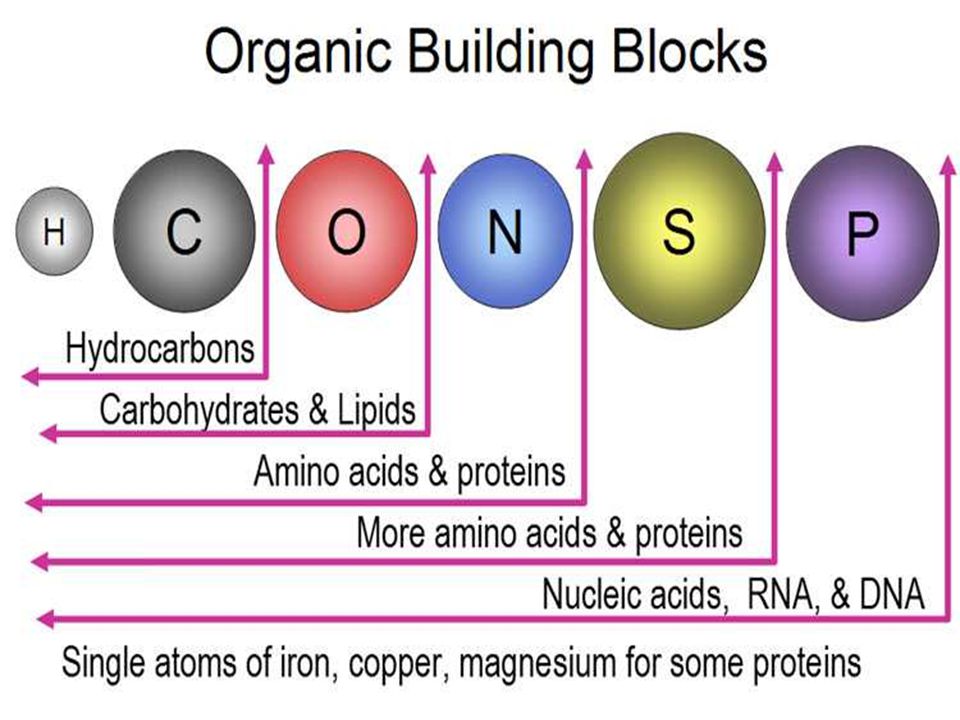
This week we started the BioChemistry unit. We started by defining atoms as the smallest fundamental unit of matter. They are the smallest unit that can show the properties of elements because protons, neutrons and electrons can’t. There are about 120 differnt kind of atoms which make up the elements on the periodic table. Bio uses Carbon, Hydrogen, Oxygen. Nitrogen, Phosphorus and sulfur the most (CHONPS).
Atoms bond by electrons interacting. There are two types of bonds, ionic and covalent. Ionic bonds feature the transfer of electrons where one atom gives its spare electrons to another atom. These bonds exist between metals and nonmentals. Covalent bonds exsist between nonmetals and are the sharing of electrons. Bonds determine the shape of the molecule which determines function as well.
For example, covalent bonds cause polarity in which one side of the molecule has a positive charge and the other side has a negative charge. This happens in water molecules and it is what gives water unique features such as cohesion and adhesion.
All chemical reactions involve the breaking and creation of bonds while conserving mass, energy and charge. Emergence is when increasing levels of complexity can display new properties that weren’t evident in simpler molecules.
To go back to water, water’s abundance and unique functions are what allowed humans and all other life forms to evolve. Without water and the oceans, life never would have emerged, or at least not as successfully as it did. In normal temperature conditions, water exists in all three phases. Water is needed for life because we have a solution based chemistry. Water is also able to stick to other water molecules (cohesion) and other things (adhesion). It w=has a very high surface tension and a high specific heat.
Acids and bases are measured on the pH table. Acids have more H30+ than OH- and bases have more OH- than H30+. The levels of acidity tell the place of the substance on the pH table.
 Sara Irvin- AP Biology